Board games are the fairest kind of two-player game. Nobody wins because their hands are faster. You take a turn, then your partner takes a turn, and the whole game sits on the table between you. That is also why they work so well on one screen. Only one person ever needs the controls. On a phone you just pass it across. Every game below is one of our own. All of them are turn-based, and all of them are a tap on a phone or a few keys on a laptop.
Four in a row, on a board that turns
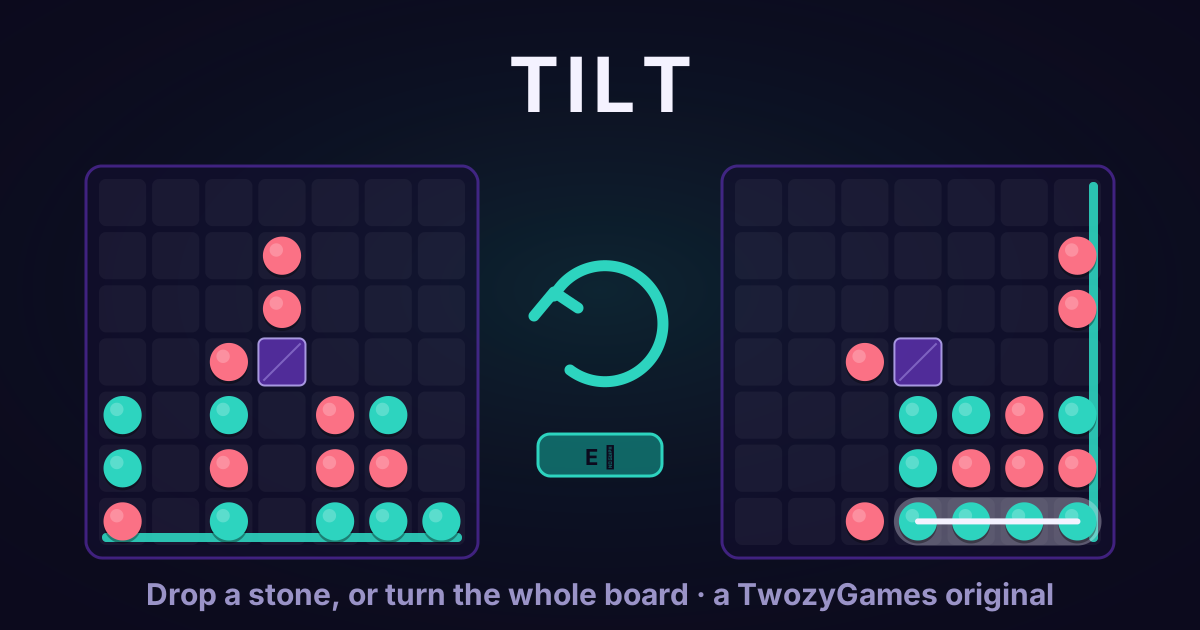
Tilt starts like a game you know. Drop a stone into a lane. Four in a row wins. Then comes the twist. Instead of dropping a stone, you may turn the whole board a quarter turn. Every stone pours into the new bottom. The line you spent four turns building is now sitting somewhere else. Tilting costs your stone for that turn, so it is a real choice, not a free extra. Five boards change the shape, from an open grid to one with fixed posts.
Build the same tower, lose it alone
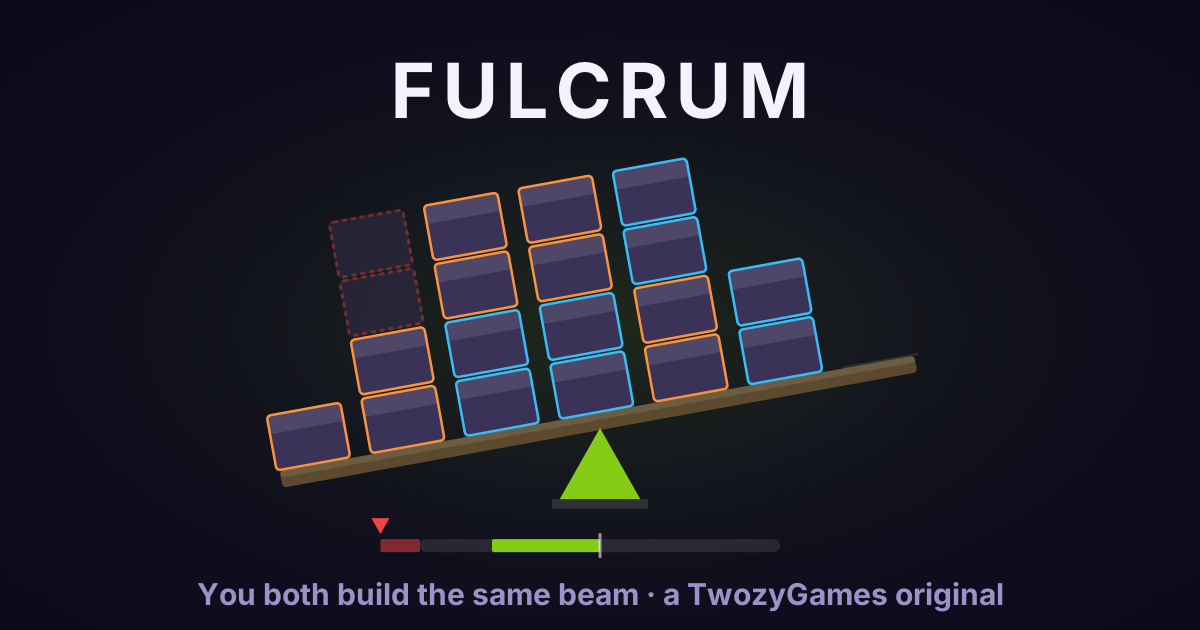
Fulcrum is a balance game. One beam sits on one pivot, with seven slots along it. On your turn you place one block. Blocks come in two sizes, and you always hold two to choose from. The beam leans with the weight on each side. If your block is the one that tips it over, you lose the round. There is only one beam, and both of you build it. Everything you add is something your partner can build on.
Pairs, except the board moves

Sleight is the memory game you played as a child, with one new rule. Eighteen tiles, nine pairs, two flips a turn. Miss a pair and three tiles slide to new places, slowly and in plain sight. Nothing is hidden. The question is how many moving tiles you can follow at once. A huge memory stops being a free win, because every fact you hold is a fact the shuffle can spoil. First to five pairs wins.
Push your luck

Nerve has one decision, repeated until someone blinks. On your turn you push a glowing pot. Every push adds one point. Every push is also more likely than the last to lose the whole pot. Bank it and the points are yours for good. The odds are printed on the screen, and your rival is reading the same number. Forty points wins the match.
Board games in disguise
These four do not look like board games at first. Play one round and you will feel it. Each is a turn, a decision, and a board you both read.
 1–2PCasual
Button
Closest stone to the button takes the end — and the last stone alternates.
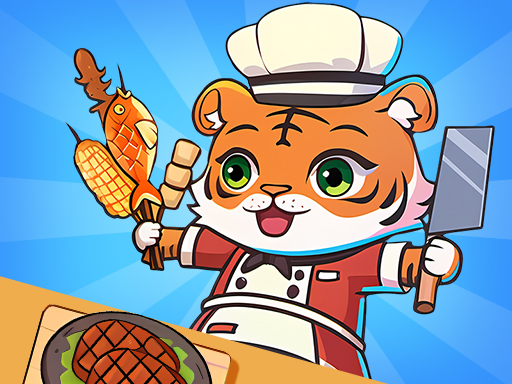
▶ Play NowButton is curling on a table. Drag back from your stone and let go, like a slingshot. A dotted line shows exactly where the stone will stop. Three stones each per end, thrown in turn. Closest to the centre takes the end, and the last stone alternates, which keeps it fair.

Spill is a territory duel made of ink. Every tile has a limit, equal to the number of tiles it touches. Fill one past its limit and it spills into every neighbour, turning them your colour. Spills set off more spills. One drop in the right place can flip half the board.

Vector is the graph-paper racing game from the back of a maths notebook. You do not steer the car. You steer its momentum, one square at a time. Nine faint circles show every place you can be next. Pick a red one and you crash. Corners punish anyone who did not plan three turns ago.
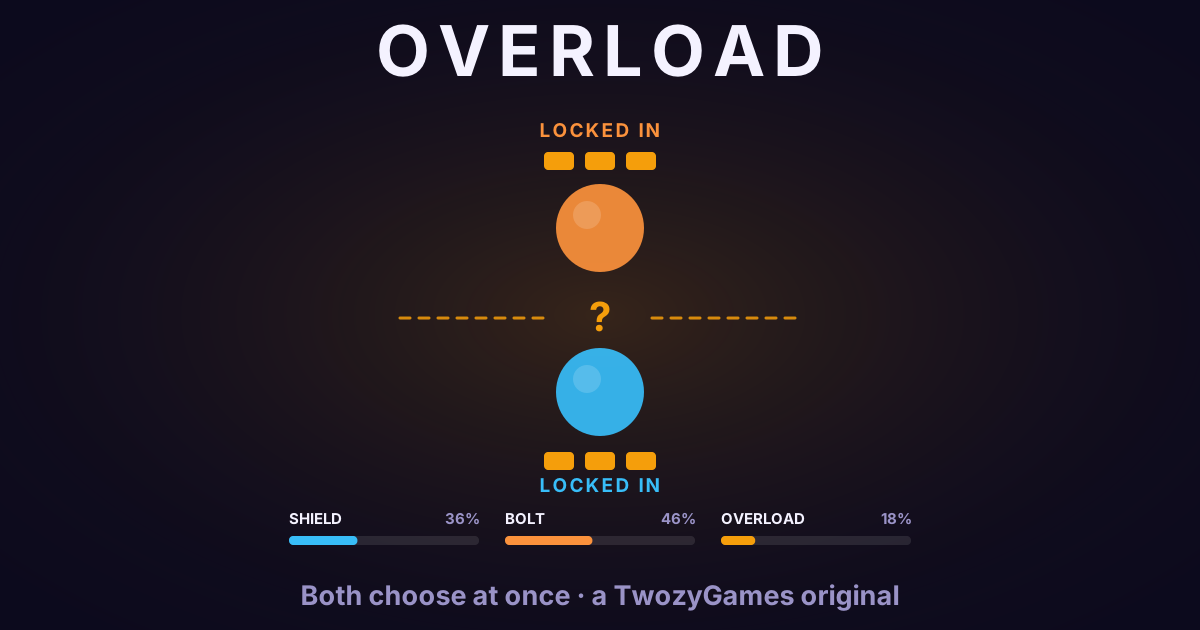
Overload is the odd one out. You both choose at the same instant, then the round resolves. Charge, shield, bolt, or spend everything on an overload that goes through a shield. Neither of you can react to the other. It plays like a card game with four cards.
The one you cannot lose
 1–2PCasual
Quilt
No timer and no way to lose — just a board the two of you fill in together.
▶ Play NowQuilt has no timer, no opponent and no way to lose. You share one board and take turns laying tiles of your own colour. The score is shared. Every connected patch is worth its size squared, so six tiles together are worth thirty-six, and six scattered tiles are worth six. You are not competing. You are leaving each other room. One rule keeps it a puzzle: you must play in the same row or column as the last tile placed.
Why turn-based games fit one phone
A real-time game on one phone needs two thumbs on the screen at once. A turn-based game needs one. Every game here is tap-native, so the board is the controller. On a laptop, both players share the same keys, because only one of you is ever moving. Every versus game on this page has a computer opponent with three difficulty levels, so you can learn the rules alone before your partner sits down. Quilt is the exception, because it has no opponent at all.
Want more? Browse the whole board category, or read how we measure fairness in these games before they ship. If a gap in reflexes has ever spoiled a game night, our couples collection was built for exactly that.