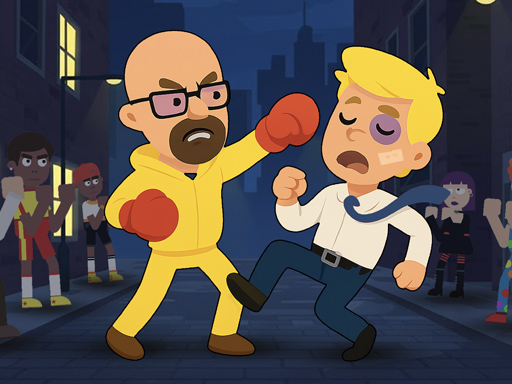
Most of TwozyGames is curation — we test and review games other studios made. But in 2026 we started shipping games of our own, and the five titles on our Originals hub taught us more about game design than years of reviewing ever did. This is the story of how they're built, and the design rules we ended up living by.
Why build our own games at all?
Curation has a ceiling. We can pick the best third-party games, but we can't change how they load, what they embed, or how they feel on a shared keyboard. Building in-house meant we could design for our exact use case from the first line of code: two people at one desk, matches that fit in a coffee break, and pages that load instantly. It also meant our main content could be truly ours — written, drawn and coded by the same small team that runs the site.
Rule 1: one file, no excuses
Every Original is a single self-contained HTML file — game logic, graphics and sound synthesis included. No engine, no external assets, no analytics inside the game, nothing to download. That constraint keeps load times around a second and makes the games trivially portable. The visuals are drawn on a canvas in code, and the sound effects are synthesized in the browser at play time, which is why the whole game fits in the size of a large photograph.
Rule 2: symmetric physics make fair fights
The first game we built was 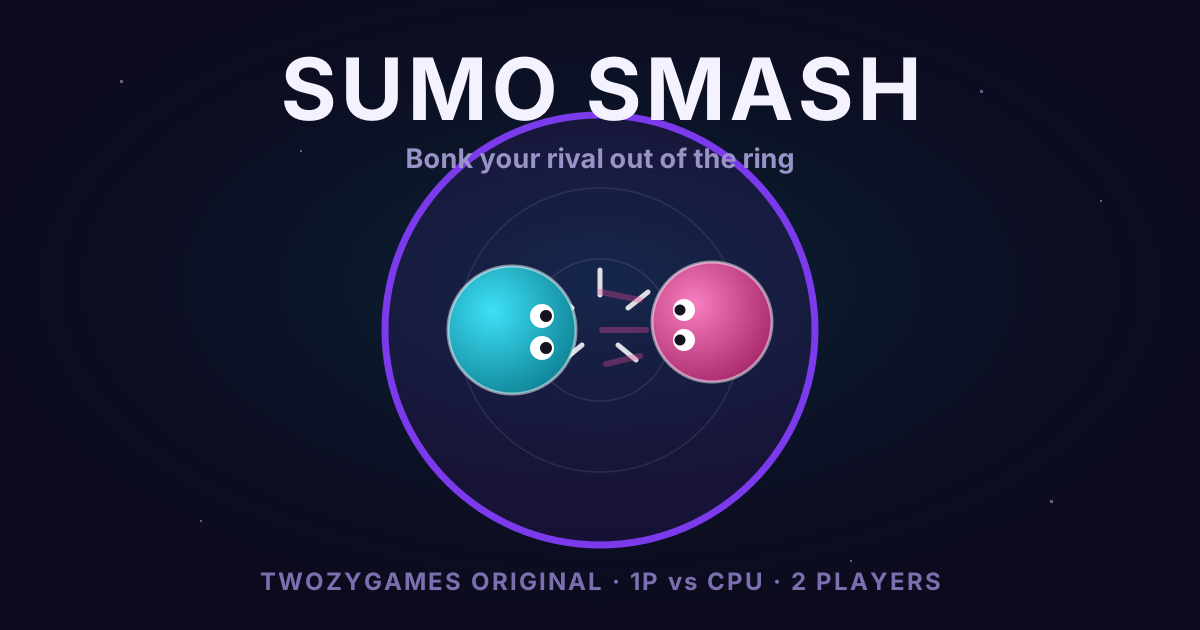 Sumo Smash, and its core design call shaped everything after it: collisions are symmetric. When you slam into your rival, you eat the same bounce they do. That one rule turns a button-masher into a positioning game — attacking only pays off when your opponent is closer to the edge than you are. We kept that philosophy everywhere: in
 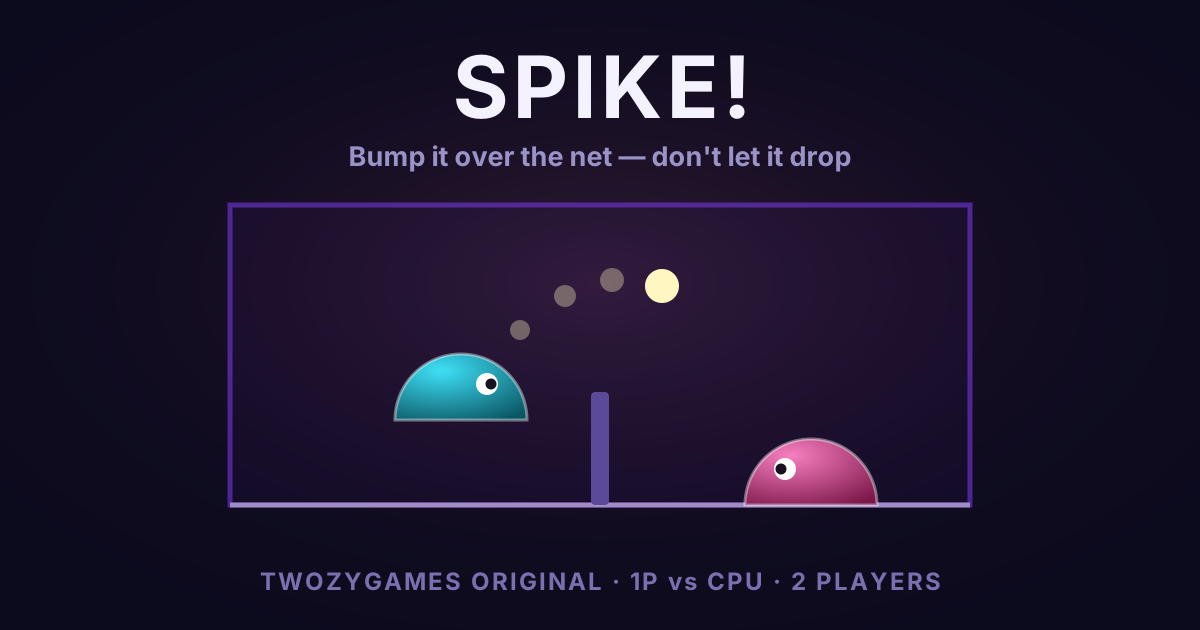 Spike! and
 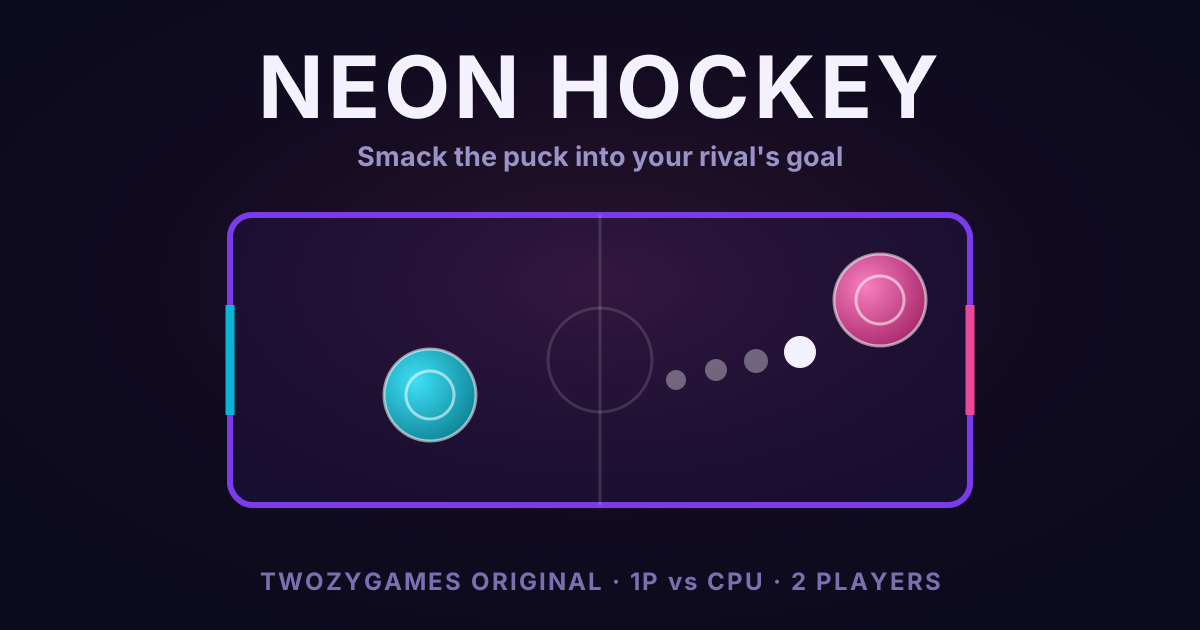 Neon Hockey, your momentum transfers into the ball or puck, so how you move is the controls, not a separate power button.
Rule 3: the AI must not cheat
Nothing kills a versus game faster than a CPU that reads your inputs. Our bots play by the same rules you do — they just differ in reaction delay, aiming noise, and (on Easy) deliberate mistakes. Beating Hard means out-positioning the bot, not out-clicking it.
Playtesting kept us honest here. Our favorite lesson came from 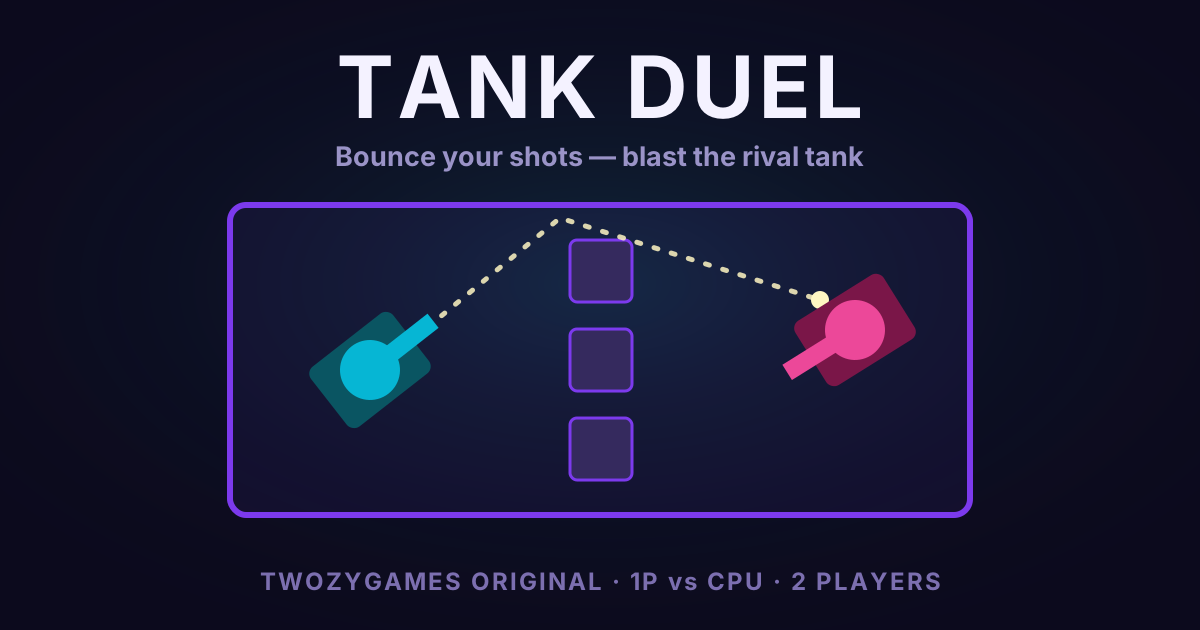 Tank Duel: the first version of its CPU would drive nose-first into a cover block whenever it lost sight of you, and just… stay there. Two tanks pushing opposite sides of the same block could stall a round forever. The fix — teaching the bot to pick a side and flank wide around cover until it regains line of sight — turned the most boring moment in the game into the most dangerous one. In
 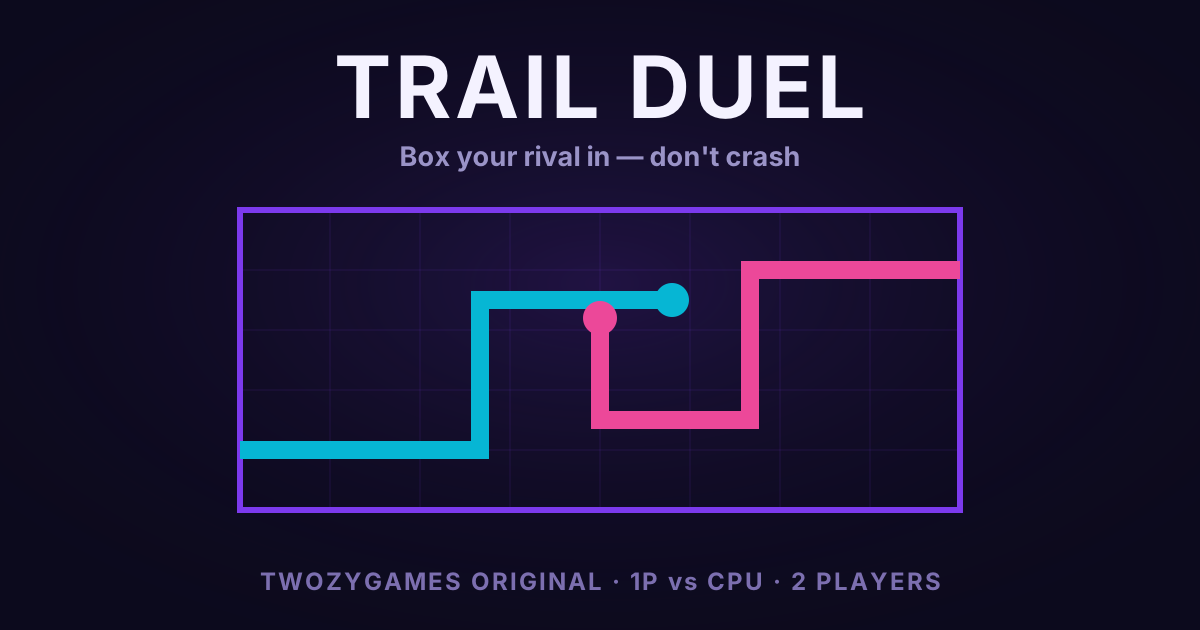 Trail Duel, fairness took a different shape: both riders' moves are evaluated on the same simulation tick, so a head-on collision is an honest draw instead of quietly favoring player one.
Rule 4: touch is welcome, but honesty comes first
All five Originals detect phones and switch to a tap-based menu with a touch joystick — the joystick simply synthesizes the same key events the keyboard produces, so the game logic never changes. But we deliberately did not cram two touch joysticks onto one phone screen. Same-keyboard 2-player is the heart of these games, and the menu says so plainly: solo is touch-ready, 2-player plays best on a keyboard.
What's next
The lineup will keep growing, and every new Original will follow the same rules: one file, fair physics, honest AI, free forever. If you haven't tried them yet, start with our tour of all five games — or jump straight to the Originals hub and pick a duel.